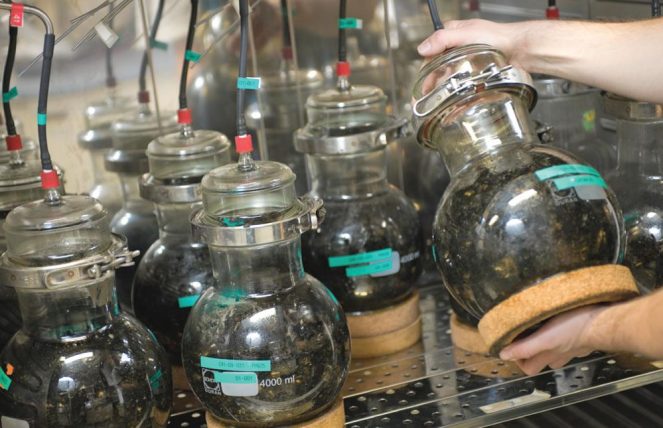
Image of respirometer, which is the main equipment used in OECD 301F biodegradability testing

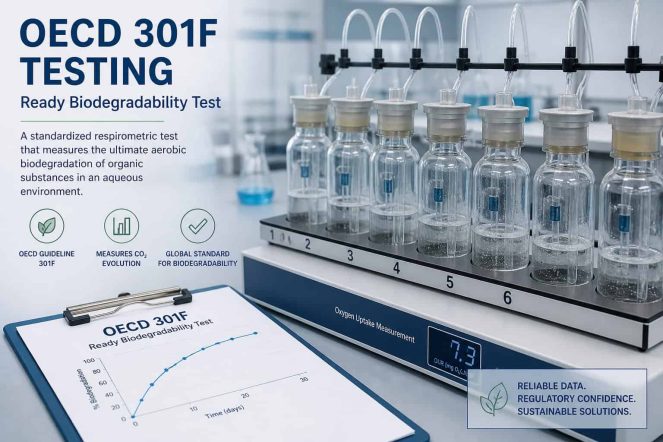
OECD 301F Testing: A Standard Method for Evaluating Ready and Ultimate Biodegradability

As sustainability expectations continue to rise, companies are under increasing pressure to substantiate environmental claims with credible, scientific data. One of the most widely recognized methods for assessing biodegradability is OECD 301F, a standard test used to determine whether a substance is readily or ultimately biodegradable under aerobic conditions. Working with a qualified biodegradability testing…

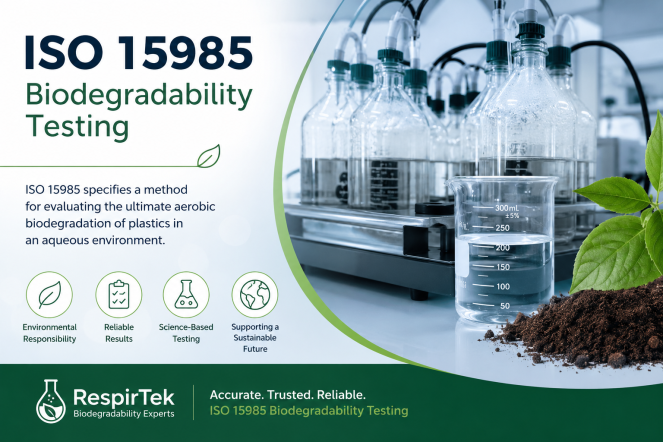
Biodegradability Certification for Aqueous Environments: Verifying Sustainability Through Accredited Biodegradability Testing

As sustainability expectations continue to grow across industries, manufacturers are increasingly expected to support environmental claims with credible scientific evidence. One of the most effective ways to validate these claims is through biodegradability certification, which confirms whether a material can biodegrade under defined environmental conditions. RespirTek’s biodegradability certification program focuses specifically on aqueous environments, evaluating…

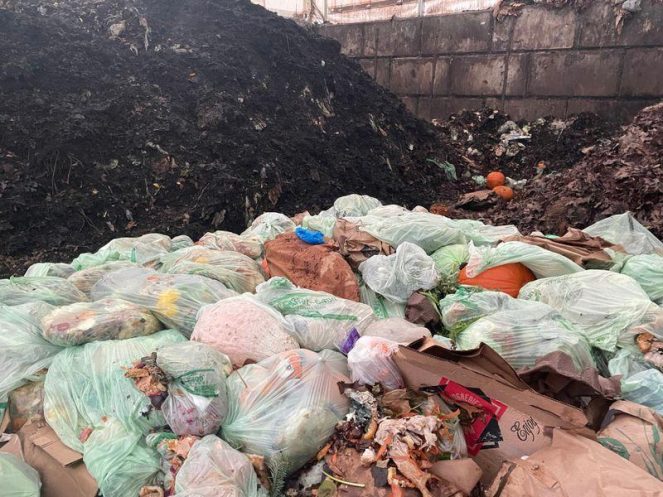
Compost reactors from ISO 14855 biodegradation plastic testing

ISO 14855: Measuring the Biodegradation of Plastics Under Controlled Composting Conditions

As claims related to compostability and sustainability continue to increase, it is critical that those claims are supported by scientifically robust and internationally recognized test methods. One of the most widely used standards for evaluating the biodegradation of plastics under aerobic composting conditions is ISO 14855. ISO 14855 provides quantitative data on the ultimate biodegradation…

This is an ISO 17556 project running in our laboratory.

ISO 17556: A Guide to Soil-Based Biodegradability Testing

Biodegradability testing is increasingly important today. As companies strive to demonstrate their environmental responsibility, understanding, and implementing ISO 17556 biodegradability testing is essential for organizations developing plastics, composites, coatings, or other polymer-based products. This international standard provides a rigorous method for measuring the ultimate aerobic biodegradability of materials in soil, making it a vital tool…

Amber bottles used for OECD 302B sampling

A Comprehensive Guide to OECD 302B Biodegradability Testing

In today’s environmentally driven regulatory landscape, accurately assessing the biodegradability of chemical substances is essential for ensuring environmental safety, meeting compliance requirements, and supporting sustainable product development. Among the suite of standardized biodegradation tests established by the Organization for Economic Co-operation and Development (OECD), OECD 302B biodegradability testing serves as a critical method for evaluating…

pH probe used for ISO 16221 marine biodegradability seawater testing

Choosing the Right Marine Biodegradability Seawater Testing Standard: ISO 16221 and OECD 306

As industries worldwide continue to embrace sustainability, understanding how products behave in marine environments is more important than ever. Whether it is a detergent, lubricant, bioplastic, or personal care product, materials entering oceans and coastal waters must undergo rigorous marine biodegradability seawater testing to evaluate their environmental fate. Two major testing standards, ISO 16221 and…

TOC Instrument used to analyze OECD 311 data

Understanding OECD 311 Biodegradability Testing: A Testing Method for Assessing Anaerobic Degradation

In today’s sustainability-driven landscape, understanding how products degrade in various environments is critical. One lesser-known but essential testing method in this effort is OECD 311 biodegradability testing, a standardized method for evaluating the anaerobic biodegradability of organic substances. This test plays a significant role in determining a material’s environmental fate, particularly in anaerobic digestion scenarios.…

Lab tech performing lab work for biodegradability testing

ISO 9439 Biodegradability Testing and ISO 14852 Biodegradability Testing: Understanding the Similarities

As the demand for environmentally responsible products continues to grow, biodegradability testing is essential for validating biodegradability claims. Two important international standards in this area are ISO 14852 and ISO 9439 biodegradability testing. Both standards assess the aerobic biodegradation of organic materials. In this post, we will explore how these methods function and highlight their…

Laboratory technicians setting up an ASTM D5338 test.

ASTM D5338 vs D5988 Biodegradability Testing: A Technical Comparison for Composting and Soil Environments

As sustainable packaging and environmentally friendly materials grow in demand, verifying the biodegradability of these products becomes essential. Two widely accepted and scientifically rigorous methods to evaluate biodegradability in compost and soil environmental compartments are ASTM D5338 and ASTM D5988 biodegradability testing. The ASTM D5338 test plays a key role in verifying whether your product…

Lab Tech holding erlynmyer flask

Understanding OECD 310: A Modern Approach to Biodegradability Testing

As sustainability and regulatory pressures continue to increase, demonstrating that a product is biodegradable has become essential across various industries, including packaging, personal care, household cleaners, and industrial lubricants. At RespirTek, we provide a comprehensive range of ISO/IEC 17025:2017 accredited biodegradability testing services. One significant standard for assessing biodegradability is OECD 310, a closed-bottle test designed…