OECD 224 septic-safe testing illustration showing a residential septic system, laboratory glassware, and beneficial microorganisms used to evaluate product safety for septic systems.

Septic-Safety Testing: Evaluating Product Compatibility with Septic Systems Using OECD 209 and OECD 224

As consumers and industries increasingly seek environmentally responsible products, understanding how chemicals and formulations interact with wastewater treatment systems has become more important than ever. Products marketed as biodegradable, environmentally friendly, or safe for household use must still be evaluated to ensure they do not negatively impact biological treatment processes. Septic-safety testing helps determine whether…
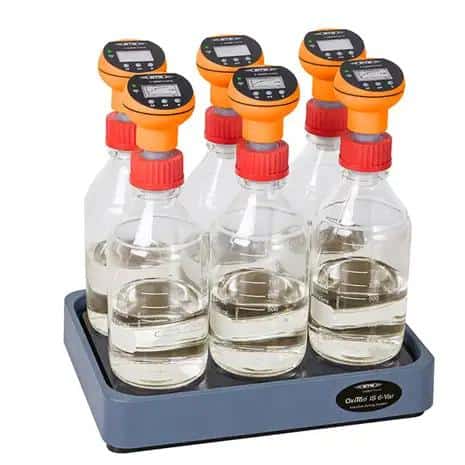
OECD 209 inhibition test showing activated sludge respiration measurement with oxygen probes in wastewater laboratory setup.

OECD 209 Inhibition Testing: Evaluating Microbial Respiration in Wastewater Systems

When evaluating the environmental compatibility of chemicals, surfactants, and formulated products, understanding their interaction with wastewater treatment systems is critical. One of the most widely recognized methods for assessing this interaction is OECD 209. OECD 209 is the internationally accepted standard for determining whether a substance inhibits the respiration activity of activated sludge microorganisms. As…

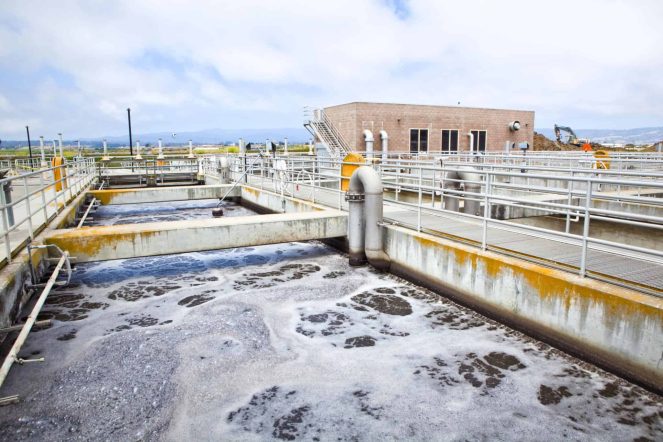
industrial wastewater plant

Understanding Industrial Wastewater Treatment: From Cause to Process

Environmental sustainability has become an increasingly critical issue for companies engaged in large-scale industrial manufacturing. In particular, organizations will need to monitor and treat industrial wastewater to ensure it does not pollute local water sources. Industrial wastewater treatment uses advanced processing technologies to remove contaminants from water before they enter public water sources. Let’s take…