In today’s sustainability-driven landscape, understanding how products degrade in various environments is critical. One lesser-known but essential testing method in this effort is OECD 311 biodegradability testing, a standardized method for evaluating the anaerobic biodegradability of organic substances. This test plays a significant role in determining a material’s environmental fate, particularly in anaerobic digestion scenarios.
What Is OECD 311 Biodegradability Testing?
OECD 311 is a guideline developed by the Organization for Economic Co-operation and Development (OECD) to assess the anaerobic biodegradability of organic compounds in a controlled laboratory setting. Unlike the more commonly referenced OECD 301 series, which focuses on aerobic conditions, OECD 311 is specifically designed to test materials for their potential to biodegrade under oxygen-free conditions, using digested sludge as the inoculum. While the results are most representative of biodegradation in anaerobic digesters, they can provide useful information relevant to other oxygen-free conditions, such as those found in landfills and sediments, though these are not directly simulated by the test.
In this test, a test substance is incubated in a sealed vessel containing anaerobic sludge, typically sourced from an anaerobic wastewater treatment plant, and monitored for the production of biogas (methane + CO₂) over 60 days. The amount of biogas produced is directly proportional to the level of biodegradation, making it a reliable metric for environmental compliance.
Why Is Anaerobic Biodegradation Important?
Many products, including plastics, detergents, lubricants, and packaging materials, may eventually end up in anaerobic environments. Knowing whether a product has the potential to break down under these conditions is vital for:
- Wastewater treatment evaluations
- Landfill impact assessments
- Environmental labeling and certifications
By undergoing OECD 311 testing, manufacturers and developers can demonstrate a scientific basis for environmental claims, especially when targeting eco-conscious markets or regulatory approval.
OECD 311 vs. OECD 301: What’s the Difference?
The OECD 301 series includes several test methods designed to assess aerobic biodegradation, where oxygen is present. These tests, like OECD 301B (CO₂ Evolution Test) are widely used in certification schemes and regulatory frameworks.
OECD 311, on the other hand, is specialized for anaerobic conditions and evaluates biodegradation through biogas production, rather than oxygen consumption or CO₂ release.
| Test Guideline | Environment | Key Metric | Typical Use Case |
| OECD 301 | Aerobic | CO₂ evolution ,O₂ demand, or DOC depletion | Consumer products, cosmetics, cleaners |
| OECD 311 | Anaerobic | Biogas production | Packaging, landfill, digesters |
Some regulatory programs recommend or require both tests to comprehensively evaluate environmental degradability.
How We Perform OECD 311 Testing
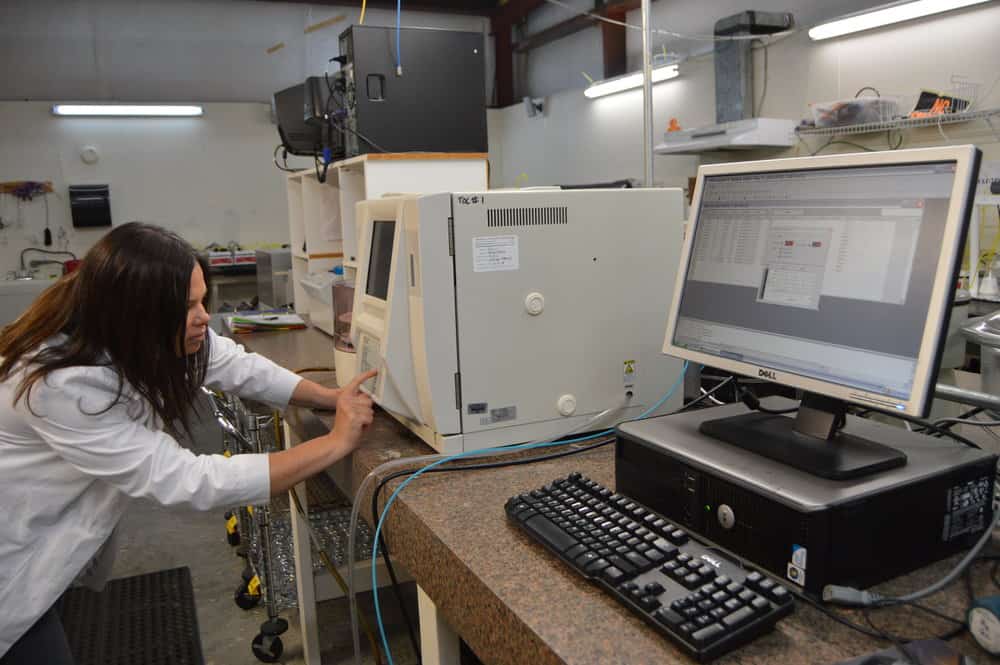
At RespirTek, we provide OECD 311 biodegradability testing under rigorous quality control standards to ensure accurate, defensible results. Our services are designed to meet the highest industry expectations and support your environmental compliance objectives.
Why Choose RespirTek?
- ISO/IEC 17025:2017 Accredited Laboratory
Our laboratory is fully accredited to ISO/IEC 17025:2017, with OECD 311 specifically included in our scope of accreditation, ensuring reliable and recognized test results. - Proven Expertise
With over 24 years of experience in biodegradability and environmental testing, RespirTek has a long-standing reputation for delivering high-quality scientific services across a wide range of industries. - Comprehensive Testing Solutions
We go beyond standard testing by offering technical evaluations of your material before test initiation. This ensures that you are selecting the most appropriate and scientifically sound testing protocol for your product’s intended application. - Transparent Communication & Real-Time Data Access
Our team is committed to clear, responsive communication. We provide real-time data updates and interim results throughout the testing process, empowering your team to make timely, informed decisions at every stage.
Whether you are evaluating a new chemical, biodegradable material, or a product intended for anaerobic digestion, RespirTek delivers the trusted results you need to advance your biodegradability testing goals.
Ready to Test Your Product?
If you are developing materials, formulations, or finished products that may ultimately enter anaerobic environments, such as anaerobic digesters or landfills, then OECD 311 biodegradability testing is a critical step in understanding and demonstrating their environmental impact.
This testing provides valuable insights into how your product behaves in the absence of oxygen, where traditional aerobic tests like OECD 301 are no longer applicable. When used together, OECD 311 and OECD 301 offer a comprehensive evaluation of your product’s biodegradation potential across a range of real-world environmental conditions.
At RespirTek, we understand that navigating environmental regulations and biodegradability claims can be complex. That is why we pair our scientifically rigorous testing protocols with personalized consultation and expert guidance. From material assessments and test selection to data interpretation and regulatory support, our team is committed to helping you make confident, informed decisions.
Whether you are working on a biodegradable packaging material, an industrial chemical, or a product designed for anaerobic digestion, we are here to support your biodegradability initiatives and help you move toward market readiness with clarity and confidence.
Contact us today to learn more about our accredited testing services or to request a customized quote. Let RespirTek be your trusted partner in advancing the science of biodegradability and supporting your product’s environmental performance.