
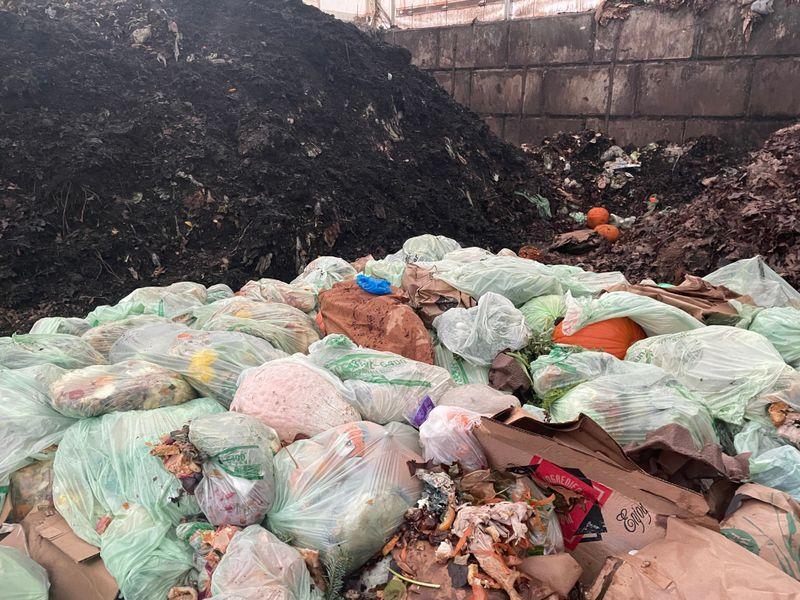
When it comes to evaluating how products and materials break down in landfill environments, ASTM D5511 biodegradability testing is one of the most recognized methods available; however, even using ASTM D5511 biodegradability testing, this evaluation faces significant challenges. Businesses, manufacturers, and product developers use this test to understand the long-term environmental impact of their materials and to meet increasing consumer and regulatory demands for biodegradability.
In this article, we will explore what ASTM D5511 testing involves, how it fits into landfill biodegradability testing, and why it matters for compliance and environmental responsibility.
What Is ASTM D5511 Biodegradability Testing?
ASTM D5511 is the Standard Test Method for Determining Anaerobic Biodegradation of Plastic Materials Under High-Solids Anaerobic-Digestion Conditions. In simpler terms, it simulates the environment inside an anaerobic digester, where oxygen is limited, temperatures are elevated, and microbial activity is high. While this test method may also resemble some conditions in biologically active landfills, ASTM D5511 biodegradability testing is generally considered to be insufficient to form the basis for unqualified biodegradability claims.
The test measures biogas production, primarily methane (CH₄) and carbon dioxide (CO₂), as the sample material is digested by microorganisms. The volume of biogas generated over a given period is used to calculate the percentage of biodegradation compared to the maximum theoretical gas production.
Key features of ASTM D5511 testing include:
- Anaerobic conditions – mimicking the oxygen-free environment of anaerobic digesters and landfills.
- High-solids content – representative of municipal solid waste.
- Custom test durations – from weeks to months to years, depending on the product and project goals.
How ASTM D5511 Relates to Landfill Biodegradability Testing
Landfill biodegradability testing is a broader category that includes any laboratory test designed to assess a material’s potential to break down in landfill conditions. ASTM D5511 is one of the most commonly used methods for anaerobic degradation environments.
It is important to note:
- ASTM D5511 represents idealized landfill conditions, not necessarily average real-world conditions.
- In actual landfills, factors like moisture content, waste composition, and temperature can vary greatly, which may slow or limit biodegradation.
By using ASTM D5511 as part of landfill biodegradability testing, companies gain valuable data on whether their products have the potential to break down and how quickly methane generation could occur.
Why Companies Choose ASTM D5511 Testing
Manufacturers and brand owners turn to ASTM D5511 biodegradability testing for several reasons:
- Environmental Marketing Claims
With consumers becoming more environmentally conscious, brands want to communicate sustainability as it relates to biodegradability. However, marketing claims about biodegradability in landfills must be supported by credible, standardized testing and should be accompanied by sufficient qualifying statements to avoid greenwashing and regulatory penalties. Because of the challenges related to assessing biodegradability in landfills, a best-practice approach to landfill biodegradability is to limit claims to:
- The rate and extent of biodegradation observed
- The specific test method performed
- A qualifying statement indicating that biodegradation may not occur in all landfills
However, you should always seek legal guidance when making environmental marketing claims. It is also important to note that ASTM D5511 test results should not be extrapolated past the actual duration of the test.
- Product Development Insights
Research and development teams use ASTM D5511 results to compare different material formulations, additives, or manufacturing processes to see how these changes affect biodegradation rates.
- Compliance with Industry Standards
Some procurement contracts and corporate sustainability guidelines require ASTM D5511 testing as part of their evaluation process.
The ASTM D5511 Testing Process: Step-by-Step
While test specifics may vary slightly depending on the laboratory, a typical ASTM D5511 biodegradability test follows these steps:
- Sample Preparation
- Test samples are cut, ground, or otherwise prepared to expose more surface area to microbial activity.
- Inoculum Selection
- The inoculum (microbial source) is obtained from anaerobic digesters processing municipal solid waste.
- Anaerobic Digestion Setup
- Test vessels are loaded with a mixture of inoculum and the test sample. Positive control (like cellulose) vessels and, optionally, negative control (inert material) vessels are also included for comparison.
- Incubation
- The vessels are maintained at 37°C in the absence of oxygen.
- Biogas Measurement
- Gas volumes are periodically measured, and the methane and carbon dioxide content are analyzed.
- Data Analysis
- Biodegradation is expressed as a percentage relative to the theoretical maximum based on the sample’s carbon content.
Understanding Test Results
When reviewing ASTM D5511 results, it is important to consider:
- Percent biodegradation – Indicates how much of the material is converted into biogas within the test period.
- Test duration – A material may continue degrading beyond the test’s end date; however, test results should not be extrapolated past the actual duration of the test.
- Comparative performance – Positive controls validate the microbial activity in the test system.
- Limitations – Results represent potential biodegradation under idealized landfill conditions, not exact real-world outcomes. For instance, a product showing 70% biodegradation in 60 days in an ASTM D5511 test may not achieve the same rate in a landfill lacking optimal moisture or microbial diversity.
ASTM D5511 vs. Other Biodegradability Tests
ASTM D5511 is designed to measure biodegradability in anaerobic, high-solids environments, such as those found in anaerobic digesters and certain industrial landfills. Other methods evaluate biodegradability under different environmental conditions:
- ASTM D5338 / ISO 14855
- OECD 301 series – Assesses biodegradation in aerobic aquatic or aqueous environments.
- OECD 311 – Evaluates anaerobic biodegradation in aquatic sediments or sludge.
- Selecting the appropriate method depends on the environment in which the product is expected to end up after disposal.
Conclusion
ASTM D5511 biodegradability testing is a powerful tool for evaluating a material’s potential to break down in anaerobic landfill conditions. As part of broader landfill biodegradability testing, it provides valuable insights for product development, environmental compliance, and biodegradability marketing.
If you are unsure which biodegradability testing method is best for your product, consulting with a certified laboratory is the most effective way to ensure accurate and reliable results. Partnering with an ISO/IEC 17025:2017 accredited biodegradability testing lab can streamline the process, minimize uncertainty, and provide expert guidance at every stage. At RespirTek, we specialize in biodegradability testing, including ASTM D5511 landfill biodegradability testing, helping businesses meet their biodegradability goals while complying with industry regulations. Our team provides clear and comprehensive progress updates throughout the testing process, keeping you informed at every step. Contact us today to make a measurable impact on environmental sustainability.



Fantastic work as usual