As industries worldwide continue to embrace sustainability, understanding how products behave in marine environments is more important than ever. Whether it is a detergent, lubricant, bioplastic, or personal care product, materials entering oceans and coastal waters must undergo rigorous marine biodegradability seawater testing to evaluate their environmental fate.
Two major testing standards, ISO 16221 and OECD 306, provide guidance for assessing aerobic biodegradability in marine environments. However, each serves a distinct purpose, and selecting the right one is essential for accurate, relevant, and regulatory-compliant results.
What is Marine Biodegradability Seawater Testing?
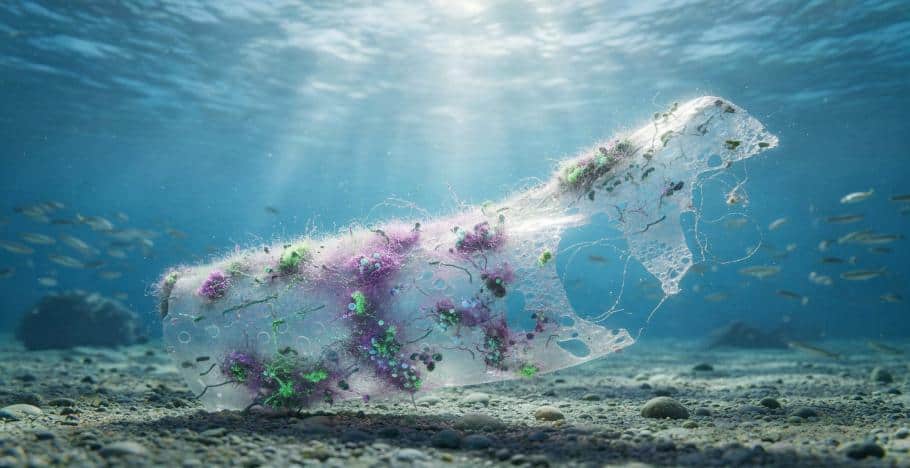
Marine biodegradability seawater testing assesses whether a substance has the potential to break down completely (ultimate biodegradation) when exposed to marine conditions, such as seawater, sediment, and shoreline environments. This testing is vital for understanding the potential long-term impact of substances released into oceans, either intentionally (e.g., marine coatings) or unintentionally (e.g., runoff, spills, or product disposal).
Overview of ISO 16221
ISO 16221:2001, titled Water Quality – Guidance for Determination of Biodegradability in the Marine Environment, is a decision-support standard. Rather than being a stand-alone test method itself, it provides guidance for modifying and adapting standard methods for determining biodegradation in fresh water, such as ISO 9439 and ISO 14593, to marine conditions.
Key Functions of ISO 16221:
- Accounts for material type: including water-soluble chemicals, insoluble solids, and volatile substances
- Determines the potential for ultimate biodegradation in the marine environment by measuring dissolved organic carbon (DOC) depletion, biological oxygen demand (BOD), or CO2 evolution
ISO 16221 is especially valuable for companies developing a wide range of products with potential marine exposure. It ensures the selected test method is appropriate for the test material.
What is OECD 306?
OECD 306: Biodegradability in Seawater is a set of two standardized test methods under the Organization for Economic Co-operation and Development. It is used to measure the aerobic biodegradation of organic chemicals in seawater.
Test Variants:
- Oxygen Depletion (Closed Bottle) Method – measures the decrease in dissolved oxygen as microorganisms consume the substance
- DOC Die-Away (Shake Flask) Method – measures the reduction in dissolved organic carbon (DOC) over time
This test is ideal for substances that are expected to enter the marine environment.
ISO 16221 vs. OECD 306: Key Differences
The ISO 16221 and OECD 306 standards are very similar in their scope and application. They both are commonly used to assess a material’s potential for aerobic biodegradation in marine environments.
The key difference between the two standards is that, while both standards include test methods that utilize BOD and DOC depletion as the basis for measuring biodegradation, ISO 16221 also includes a test method that utilizes CO2 evolution as the basis for measuring biodegradation. This means that OECD 306 testing is limited to test materials that are soluble in water, have a known chemical composition, or (less satisfactorily) the chemical oxygen demand (COD) of the test material can be determined, while the ISO 16221 method can be applied to a more broad range of substances. Furthermore, CO2 evolution is generally the most preferable method for determining biodegradation, because it provides the most direct evidence of oxidation of organic carbon during biodegradation.
Why Seawater Biodegradability Testing Matters
Marine ecosystems are particularly sensitive to persistent pollutants. As public and regulatory pressure mounts to prevent ocean pollution, marine biodegradability seawater testing offers a scientifically robust way to demonstrate environmental responsibility and ensure regulatory compliance.
Common Product Types Requiring Testing:
- Surfactants and cleaning agents
- Personal care ingredients
- Bioplastics and biodegradable packaging
- Lubricants and oils used in the offshore and shipping industries
- Marine coatings and antifouling agents
Testing not only helps with regulatory approval and eco-label certifications, but it also builds trust with environmentally conscious consumers.
How Is Biodegradability Testing in Seawater Performed?
Using the ISO 16221 and OECD 306 framework, testing typically follows these steps:
- Inoculum Sourcing: Natural marine microorganisms are collected from coastal waters, marine sediment, or an aquarium
- Substance Dosing: The test substance is added to the system based on the lowest allowed method concentration
- Biodegradation Monitoring: Indicators such as CO₂ evolution, O₂ consumption, or DOC reduction are tracked
- Result Evaluation: The percentage of biodegradation is assessed over a period of time, depending on the testing method. Typically, seawater tests are 60-day assessments.
Proper application ensures results are environmentally relevant and scientifically credible.
Who Should Use ISO 16221 or OECD 306-Guided Testing?
Organizations across numerous sectors benefit from testing under the ISO 16221 and OECD 306 framework:
- Personal Care & Cosmetics Suppliers: Surfactants and ingredients that end up in the ocean
- Bioplastics Manufacturers: Materials that may break down in natural aquatic settings
- Marine Equipment Suppliers: Lubricants and coatings used in ships and offshore rigs
- Chemical Manufacturers: Raw materials sold into environmentally regulated markets
Need Help with ISO 16221 or OECD 306 Testing?
If your product has the potential to end up in oceans, coastal waters, or marine sediments, accurate and credible marine biodegradability seawater testing is critical. Our laboratory specializes in ISO 16221-guided testing and offers OECD 306 and other test methods tailored to marine exposure scenarios.
We are ISO/IEC 17025:2017 accredited and committed to delivering scientifically sound, high-quality results to support your products’ environmental claims. A certified and experienced laboratory can streamline the process, reduce uncertainty, and provide expert guidance at every stage. At RespirTek, we specialize in marine biodegradability seawater testing, helping businesses confidently meet their biodegradability goals while ensuring compliance with industry regulations. Our team provides comprehensive data progression updates throughout the entire testing process, keeping you informed every step of the way. Contact us today to learn more or request a proposal for marine biodegradability seawater testing.